Dictionary / Cash Statement
What does Cash Statement mean in accounting?
Quick definition
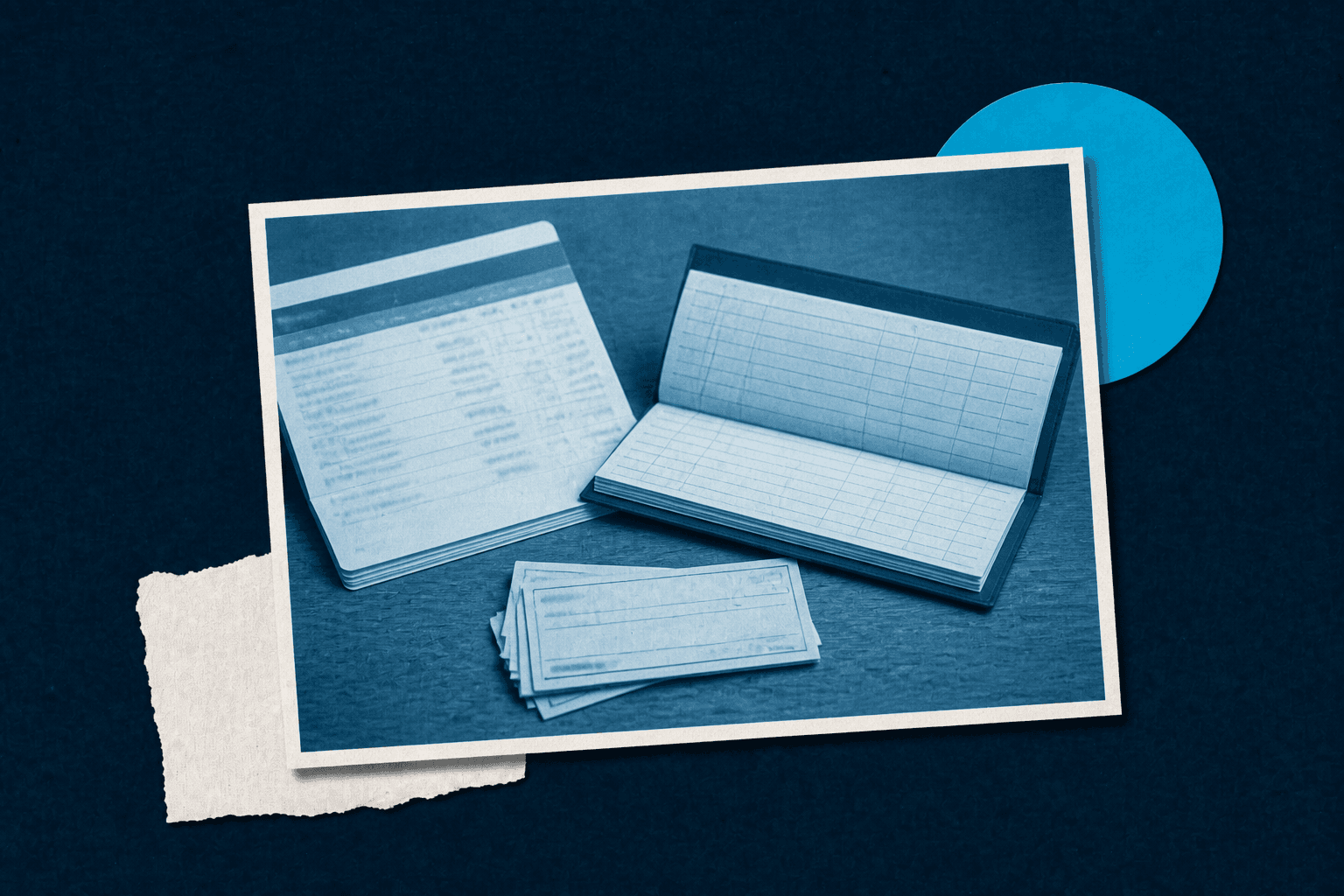
Cash & bankingA statement rendered periodically, often daily, to the management, usually showing the opening and closing balances of cash on hand and in each bank, a summary of the receipts and disbursements of the period or day, and particulars of deposits and withdrawals. This term guides how bookkeepers record, classify, and explain related transactions in routine financial reporting.
Read more below
Examples
Hardware close lists till and both banks
You run a hardware store. At close on Thursday, March 6 you count the till and pull both bank balances for the cash statement you hand the owner: Wednesday closed with $380 cash on hand, $8,640 in checking at the community bank, and $2,110 in the credit union merchant account. Thursday's sheet lists $1,860 cash and $940 card cash receipts, a $215 cash COD to a fastener supplier, and a $1,620 night-drop deposit to the community bank, so you close at $405 in the till, $10,260 at the community bank, and $3,050 at the credit union. That report is the cash statement: opening and closing cash on hand and each bank, plus that day's receipts, disbursements, deposits, and withdrawals. Use it before you decide which account can cover tomorrow's vendor ACH; do not wait for the month-end cash-flow statement.
June cash flow is not tomorrow's checking
You run an auto shop. On July 8 your bookkeeper emails the June cash-flow statement: $18,400 cash from operations, $7,200 for a two-post lift, and $1,400 of loan principal. You need to know whether Operating checking can ACH $3,600 to a parts warehouse tomorrow. That report is sources and uses between two dates, tied to the P&L and balance sheet; it does not show this morning's till or the closing balance in each bank. Open yesterday's cash statement, or count today and pull each bank, before you send the ACH.
Why it matters
A cash statement is the daily or periodic report you give management (or yourself) so you can see opening and closing cash on hand and in each bank, plus that period's receipts, disbursements, deposits, and withdrawals. If you run a till or more than one bank account, you will build one at close most days, not only at month-end. Mix it up with the cash-flow statement and you will wait for a sources-and-uses report between two dates, tied to the P&L and balance sheet, when you needed this morning's drawer and per-bank totals. Skip the daily report and you pay from an account that is already short, or you miss a deposit that never left the register.
Further reading
Compare this term with reference material from other accounting and finance websites.

Keep learning
Start with the bookkeeping basics, then compare software when you are ready to pick a tool.
 Getting startedBookkeeping basics for small-business ownersWhat bookkeeping is, the records you need, double-entry in plain English, and a monthly rhythm that fits a 1–50 person shop.Updated October 4, 2026
 RolesWhat does a bookkeeper do?A bookkeeper records bills, invoices, and bank activity so your books stay current. See the weekly work, the month-end close, and what they do not do.Updated August 18, 2026
 Monthly closeMonthly bookkeeping: what to close each monthMonth-end is the job: reconcile banks and cards, age bills and invoices, check payroll, then read the reports. A close checklist for small-business owners.Updated August 18, 2026
 Startup BankingThe 5 Best Banks for EU StartupsThe 5 best banks for EU startups, ranked: Wise Business, Revolut, Qonto, bunq, and Finom compared on fees, deposit protection, and honest tradeoffs.Updated August 9, 2026
Frequently asked questions
What is Cash Statement in bookkeeping?
A statement rendered periodically, often daily, to the management, usually showing the opening and closing balances of cash on hand and in each bank, a summary of the receipts and disbursements of the period or day, and particulars of deposits and withdrawals.
When should I use Cash Statement?
Use Cash Statement when the transaction facts match its definition and you need the ledger and financial statements to reflect the correct account and period.
What is a common mistake with Cash Statement?
Cash Statement is used for cash statement entries, while C&F covers a related but distinct bookkeeping purpose. Review both terms before posting unusual transactions. A common mistake is applying it by label only instead of checking the underlying transaction details.