Dictionary / Accounts Payable
What does Accounts Payable mean in accounting?
Quick definition
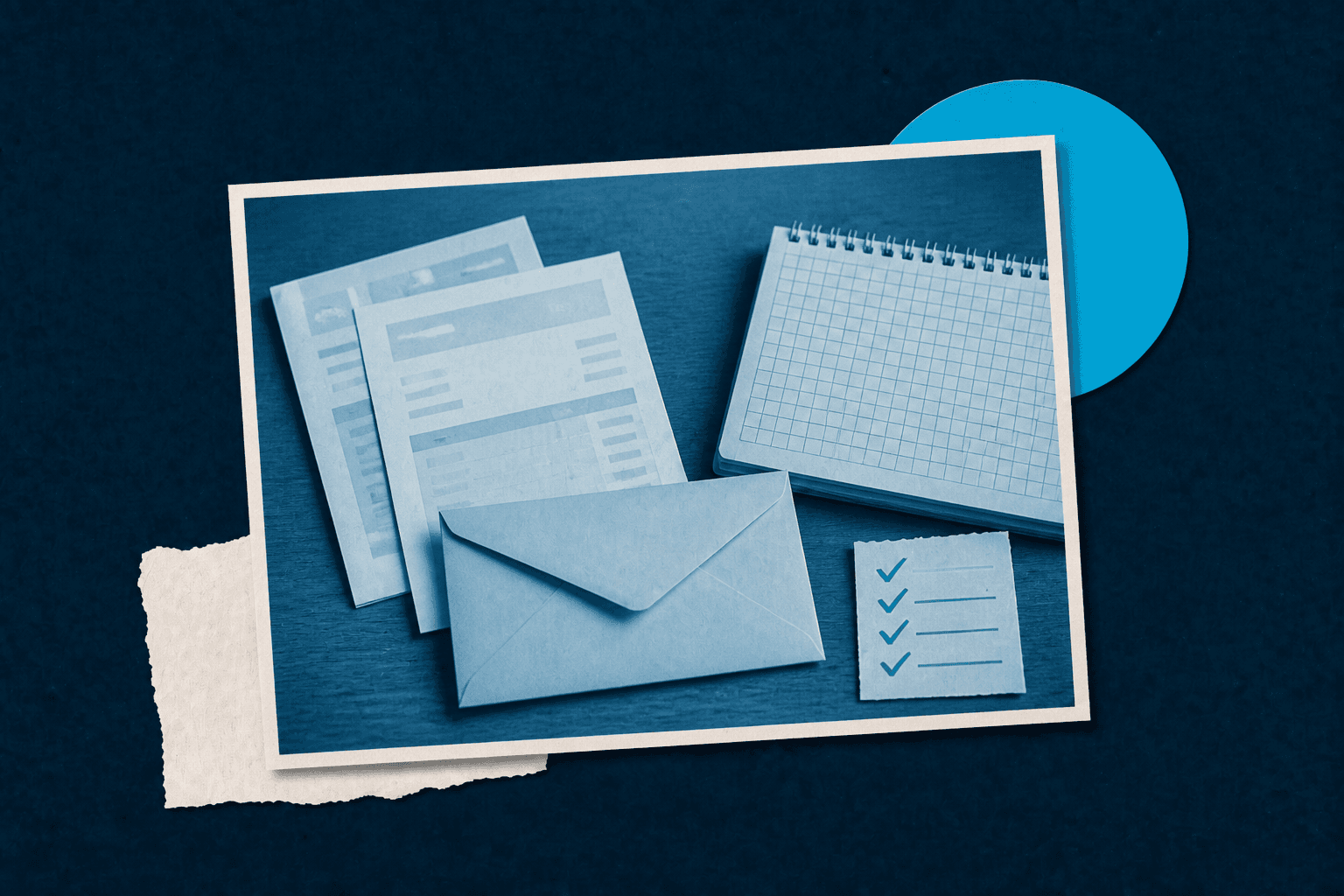
Accounts payable & receivableAccounts payable is the money your business owes vendors for goods or services you already received and have not paid for yet.
Read more below
It sits on the balance sheet as a liability. When you enter a bill in QuickBooks Online or Xero, you increase accounts payable. When you pay the bill, you decrease it and decrease cash.
Examples
A vendor bill you have not paid yet
You receive a $480 invoice from a lighting supplier on March 28 for shop fixtures installed that week. You enter a bill dated March 28 to that supplier, coded to furniture and fixtures (or job materials). Accounts payable increases $480. You pay it on April 10 by ACH. AP decreases $480 and checking decreases $480. In QuickBooks Online this is a Bill, then Pay bills. In Xero it is a Bill, then a payment against that bill.
Using the AP aging to decide who to pay
Your AP aging on April 30 shows $2,150 current, $640 at 31–60 days (a disputed freight bill from a paper supplier), and $0 past 60. You pay current items that earn discounts and call that supplier before the next close. The aging total should match the accounts payable line on the balance sheet.
Why it matters
If AP is wrong, your cash looks healthier than it is and expenses land in the wrong month. A current AP aging is what you use to decide which vendors to pay this week. For the other side of the same idea, see accounts receivable.
Further reading
Compare this term with reference material from other accounting and finance websites.


Keep learning
Start with the bookkeeping basics, then compare software when you are ready to pick a tool.
 Getting startedBookkeeping basics for small-business ownersWhat bookkeeping is, the records you need, double-entry in plain English, and a monthly rhythm that fits a 1–50 person shop.Updated October 4, 2026
 RolesWhat does a bookkeeper do?A bookkeeper records bills, invoices, and bank activity so your books stay current. See the weekly work, the month-end close, and what they do not do.Updated August 18, 2026
 Monthly closeMonthly bookkeeping: what to close each monthMonth-end is the job: reconcile banks and cards, age bills and invoices, check payroll, then read the reports. A close checklist for small-business owners.Updated August 18, 2026
 Expense ManagementThe 10 Best Expense Management Software for Small BusinessWe ranked the 10 best expense management tools for small business, scored on features, ease of use, and value, with honest tradeoffs for each.Updated August 8, 2026
Frequently asked questions
What is the difference between accounts payable and accounts receivable?
Payable is money you owe vendors. Receivable is money customers owe you. Payable is a liability. Receivable is an asset. They are not two names for the same account.
What does accounts payable do in the books?
It holds unpaid bills so expenses hit the month you received the work, not the month you happened to pay. Paying the bill later clears AP and cash. It should not create a second expense.
Is accounts payable an expense?
No. The expense is the purchase (supplies, subcontractors, rent). Accounts payable is the unpaid amount of that purchase. When you pay, you reduce AP and cash.
Where does accounts payable show up in QuickBooks or Xero?
On the balance sheet as a current liability, and on the Accounts payable aging report. In QuickBooks Online, Bills and Pay bills feed this account. In Xero, Bills do the same job.