Dictionary / Accounts Receivable
What does Accounts Receivable mean in accounting?
Quick definition
Accounts payable & receivableAccounts receivable is the money customers owe you for invoices you have already sent and have not collected yet.
Read more below
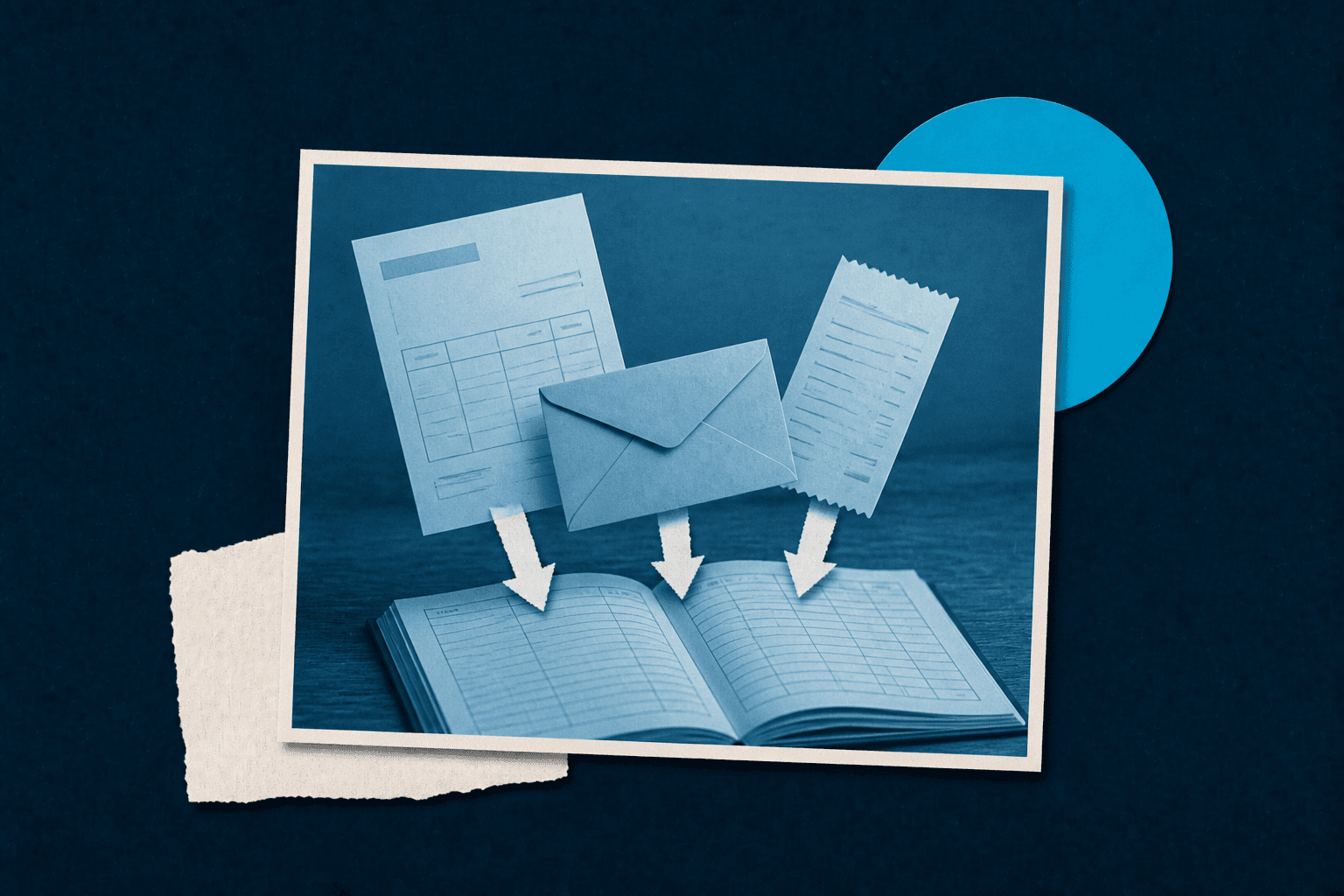
It sits on the balance sheet as an asset. When you invoice in QuickBooks Online or Xero, you increase accounts receivable and income. When the customer pays, you decrease AR and increase cash.
Examples
An invoice the customer has not paid
On June 3 you invoice a dental-office client $1,850 for a completed website project. Income increases $1,850 and accounts receivable increases $1,850. On June 21 they pay by ACH. AR decreases $1,850 and checking increases $1,850. In QuickBooks Online this is an Invoice, then Receive payment. In Xero it is an Invoice, then a payment on that invoice.
Using the AR aging to collect
Your AR aging on June 30 shows $4,200 current, $900 at 31–60 days (one invoice to a gym client), and $250 at 90+ days you have already decided to write off. You send a statement to the gym and write off the $250. The aging total should match the accounts receivable line on the balance sheet.
Why it matters
AR is sales you cannot spend yet. If you treat unpaid invoices as cash, you will bounce payroll. The AR aging tells you who to call. For the opposite balance, see accounts payable.
Further reading
Compare this term with reference material from other accounting and finance websites.


Keep learning
Start with the bookkeeping basics, then compare software when you are ready to pick a tool.
 Getting startedBookkeeping basics for small-business ownersWhat bookkeeping is, the records you need, double-entry in plain English, and a monthly rhythm that fits a 1–50 person shop.Updated October 4, 2026
 RolesWhat does a bookkeeper do?A bookkeeper records bills, invoices, and bank activity so your books stay current. See the weekly work, the month-end close, and what they do not do.Updated August 18, 2026
 Monthly closeMonthly bookkeeping: what to close each monthMonth-end is the job: reconcile banks and cards, age bills and invoices, check payroll, then read the reports. A close checklist for small-business owners.Updated August 18, 2026
 Expense ManagementThe 10 Best Expense Management Software for Small BusinessWe ranked the 10 best expense management tools for small business, scored on features, ease of use, and value, with honest tradeoffs for each.Updated August 8, 2026
Frequently asked questions
What is accounts receivable vs payable?
Receivable is money customers owe you (an asset). Payable is money you owe vendors (a liability). Collecting AR brings cash in. Paying AP sends cash out.
What are examples of accounts receivable?
An unpaid customer invoice, a progress bill on a job, or a retainage amount a contractor is still owed. A cash sale that was paid at the counter is not AR. That went straight to the bank.
Is accounts receivable an asset?
Yes. You expect to collect it. If you no longer expect to collect it, write it off so the asset is not overstated.
Are cash receipts the same as accounts receivable?
No. Cash receipts are money that already arrived. Accounts receivable is money still outstanding. When a customer pays an invoice, the receipt clears AR.