Dictionary / Draft
What does Draft mean in accounting?
Quick definition
Cash & bankingA written order by one party ordering a second party to pay a third party. This term guides how bookkeepers record, classify, and explain related transactions in routine financial reporting.
Read more below
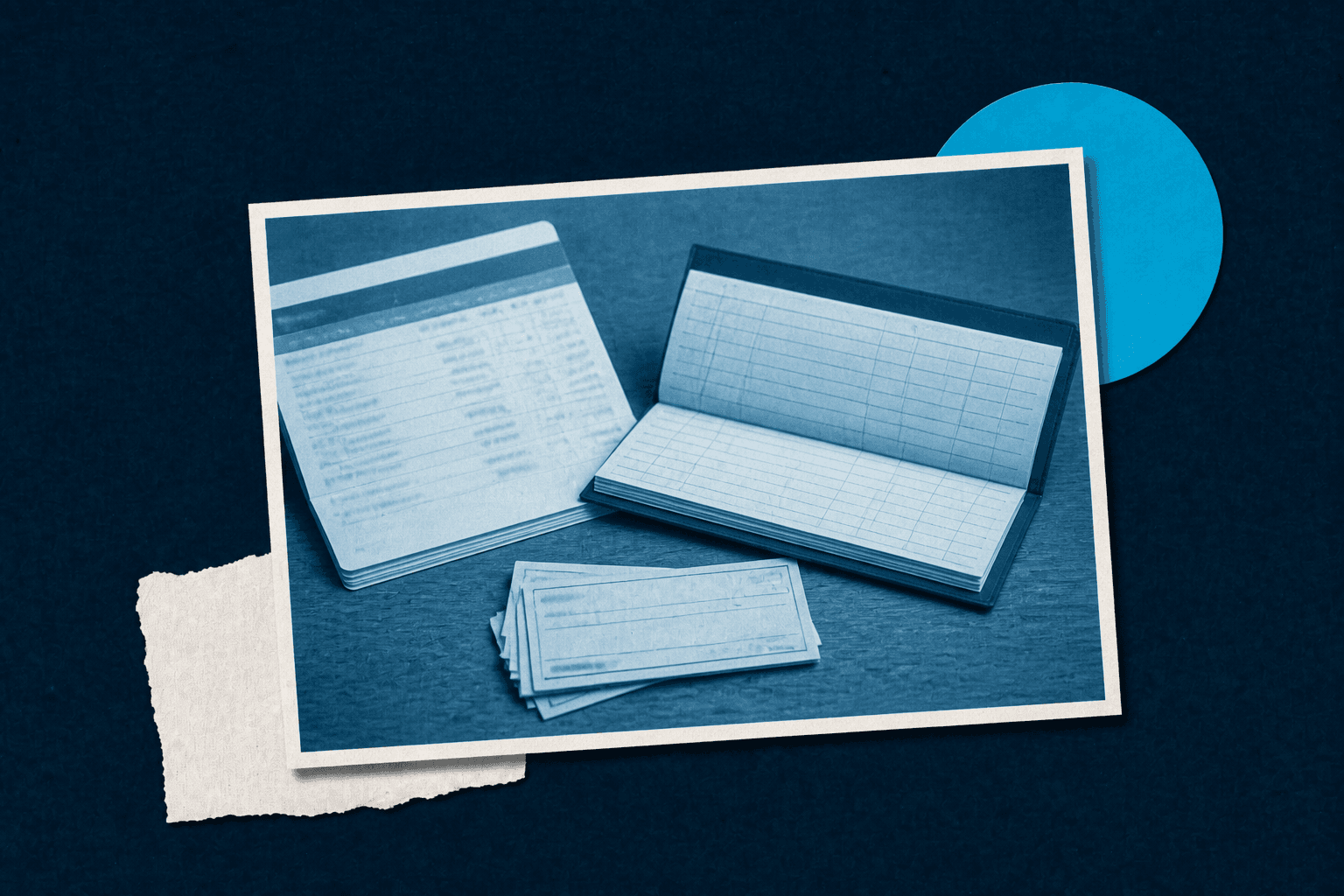
Examples
You draw a collection draft on a Canadian sale
You run a cutting-tool shop. On March 6 you ship $5,160 of taps and dies to a customer in Montreal and invoice them. You also draw a sight draft: you (drawer) order the Canadian bank (drawee) to pay your bank (payee) $5,160 against the bill of lading. You send that paper and the shipping documents through your bank for collection. When the Canadian bank pays, checking rises $5,160 (minus any collection fee) and accounts receivable drops; apply the deposit to that customer's invoice instead of waiting for a customer check.
Draft status on an invoice is not this paper
On August 19 you start an $890 invoice at your floral shop to an events client for a Saturday wedding, then save it as Draft in QuickBooks Online because the extra aisle runners are not confirmed. That badge is a first-pass sales document, not a written order requiring a second party to pay a third. Leave it unsent. Do not record accounts receivable or expect a bank to present the invoice. If a customer or bank later sent a signed order naming a drawee and a payee, that later instrument would be the draft.
Why it matters
A draft is a written payment order with three roles: the drawer orders the drawee to pay the payee. You will not see this most months; it shows up when a supplier, customer, or bank presents collection paper, often on an import or export, instead of an ordinary invoice. A bill of exchange is the same family, and a cashier's check is the special case where the bank drafts on itself. Treat a first-pass invoice or an ACH pull as this instrument and you will look for negotiable paper that is not there, or you will post a real collection draft as if it were a regular bill.
Further reading
Compare this term with reference material from other accounting and finance websites.


Keep learning
Start with the bookkeeping basics, then compare software when you are ready to pick a tool.
 Getting startedBookkeeping basics for small-business ownersWhat bookkeeping is, the records you need, double-entry in plain English, and a monthly rhythm that fits a 1–50 person shop.Updated October 4, 2026
 RolesWhat does a bookkeeper do?A bookkeeper records bills, invoices, and bank activity so your books stay current. See the weekly work, the month-end close, and what they do not do.Updated August 18, 2026
 Monthly closeMonthly bookkeeping: what to close each monthMonth-end is the job: reconcile banks and cards, age bills and invoices, check payroll, then read the reports. A close checklist for small-business owners.Updated August 18, 2026
 Startup BankingThe 5 Best Banks for EU StartupsThe 5 best banks for EU startups, ranked: Wise Business, Revolut, Qonto, bunq, and Finom compared on fees, deposit protection, and honest tradeoffs.Updated August 9, 2026
Frequently asked questions
What is Draft in bookkeeping?
A written order by one party ordering a second party to pay a third party.
When should I use Draft?
Use Draft when the transaction facts match its definition and you need the ledger and financial statements to reflect the correct account and period.
What is a common mistake with Draft?
Draft is used for draft entries, while Daybook covers a related but distinct bookkeeping purpose. Review both terms before posting unusual transactions. A common mistake is applying it by label only instead of checking the underlying transaction details.