Dictionary / Write Off
What does Write Off mean in accounting?
Quick definition
GeneralTo transfer the balance of an account previously regarded as an asset to an expense account or profit and loss. This term guides how bookkeepers record, classify, and explain related transactions in routine financial reporting.
Read more below
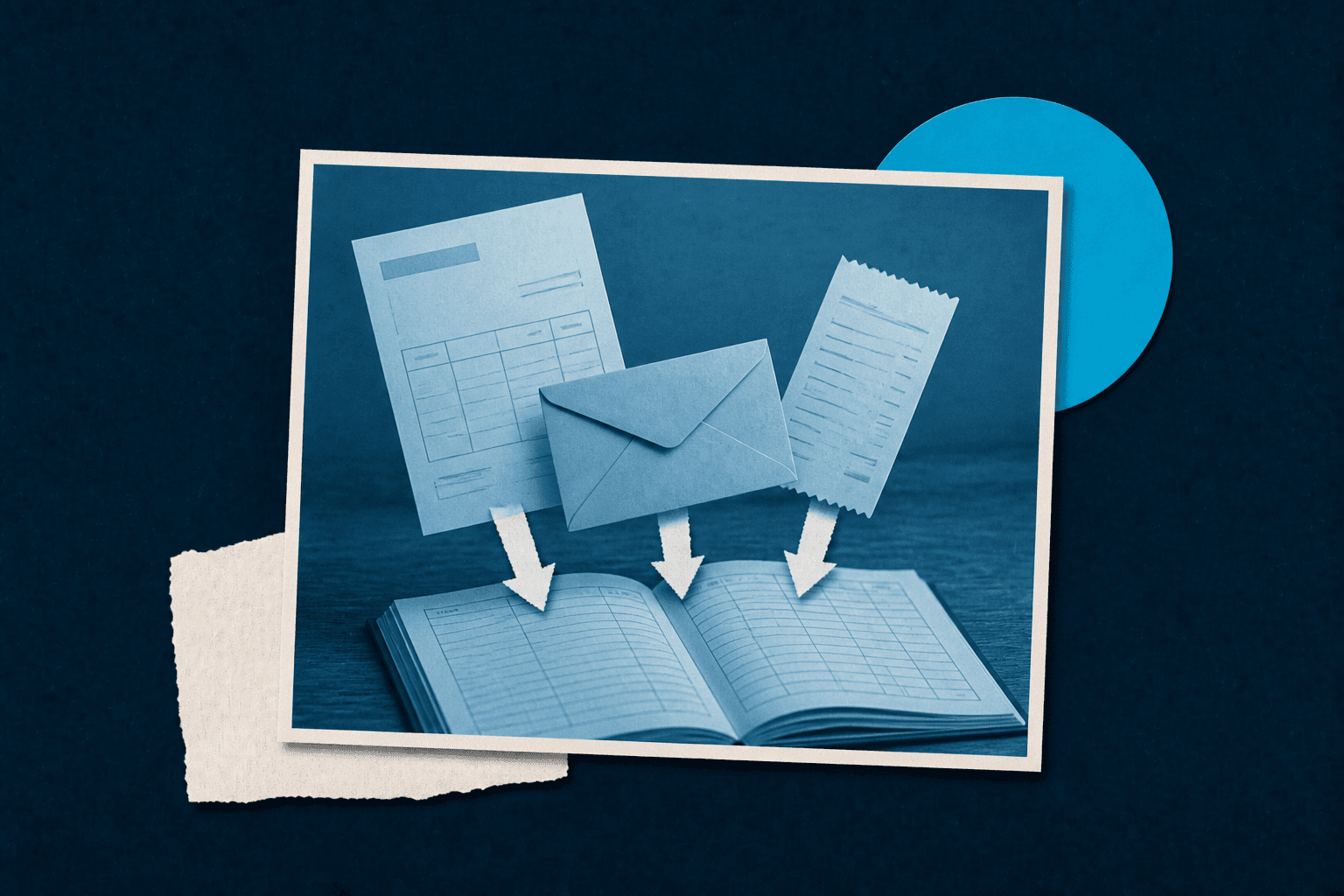
Examples
An invoice you have given up collecting
You invoice a cafe client $1,240 on January 12 for a patio install. By May you have sent two statements and left voicemails; the cafe closed. Do not delete the invoice, which can wipe the January sale. In QuickBooks Online or Xero, issue a credit memo coded to bad debt for $1,240 so accounts receivable and the aging both drop. At month-end, 90-day balances you have already given up on should not still sit there.
A laptop that still has book value
Your dental office still lists a 2022 desktop computer with $420 of remaining book value. The screen dies in September and you scrap it. Write off the $420: the asset and its accumulated depreciation leave the books, and $420 hits expense. That is not paying a bill, and it is not a write-down that leaves a reduced asset on the balance sheet. If you leave the $420 sitting there, assets stay inflated and any loan based on those books is lending against a computer you already threw away.
Why it matters
Until you write the balance off, the balance sheet still claims an asset you cannot collect or use, and profit stays overstated. You will not post this most weeks. It shows up when you give up on a receivable, scrap stock, or retire a dead asset, after collection fails, a count finds worthless inventory, or you junk the equipment. Deleting the invoice instead of writing off accounts receivable can erase the sale; leaving the asset on the books lets you (or a lender) treat gone money as if it is still there.
Further reading
Compare this term with reference material from other accounting and finance websites.

Keep learning
Start with the bookkeeping basics, then compare software when you are ready to pick a tool.
 Getting startedBookkeeping basics for small-business ownersWhat bookkeeping is, the records you need, double-entry in plain English, and a monthly rhythm that fits a 1–50 person shop.Updated October 4, 2026
 RolesWhat does a bookkeeper do?A bookkeeper records bills, invoices, and bank activity so your books stay current. See the weekly work, the month-end close, and what they do not do.Updated August 18, 2026
 Monthly closeMonthly bookkeeping: what to close each monthMonth-end is the job: reconcile banks and cards, age bills and invoices, check payroll, then read the reports. A close checklist for small-business owners.Updated August 18, 2026
 Expense ManagementThe 10 Best Expense Management Software for Small BusinessWe ranked the 10 best expense management tools for small business, scored on features, ease of use, and value, with honest tradeoffs for each.Updated August 8, 2026
Frequently asked questions
What is Write Off in bookkeeping?
To transfer the balance of an account previously regarded as an asset to an expense account or profit and loss.
When should I use Write Off?
Use Write Off when the transaction facts match its definition and you need the ledger and financial statements to reflect the correct account and period.
What is a common mistake with Write Off?
Write Off is used for write off entries, while Work Sheet covers a related but distinct bookkeeping purpose. Review both terms before posting unusual transactions. A common mistake is applying it by label only instead of checking the underlying transaction details.