Dictionary / Credit Sale
What does Credit Sale mean in accounting?
Quick definition
GeneralThe delivery of goods, or the performance of a service, accompanied by the receipt of a promise to pay. This term guides how bookkeepers record, classify, and explain related transactions in routine financial reporting.
Read more below
Examples
Install done, invoice on Net 30
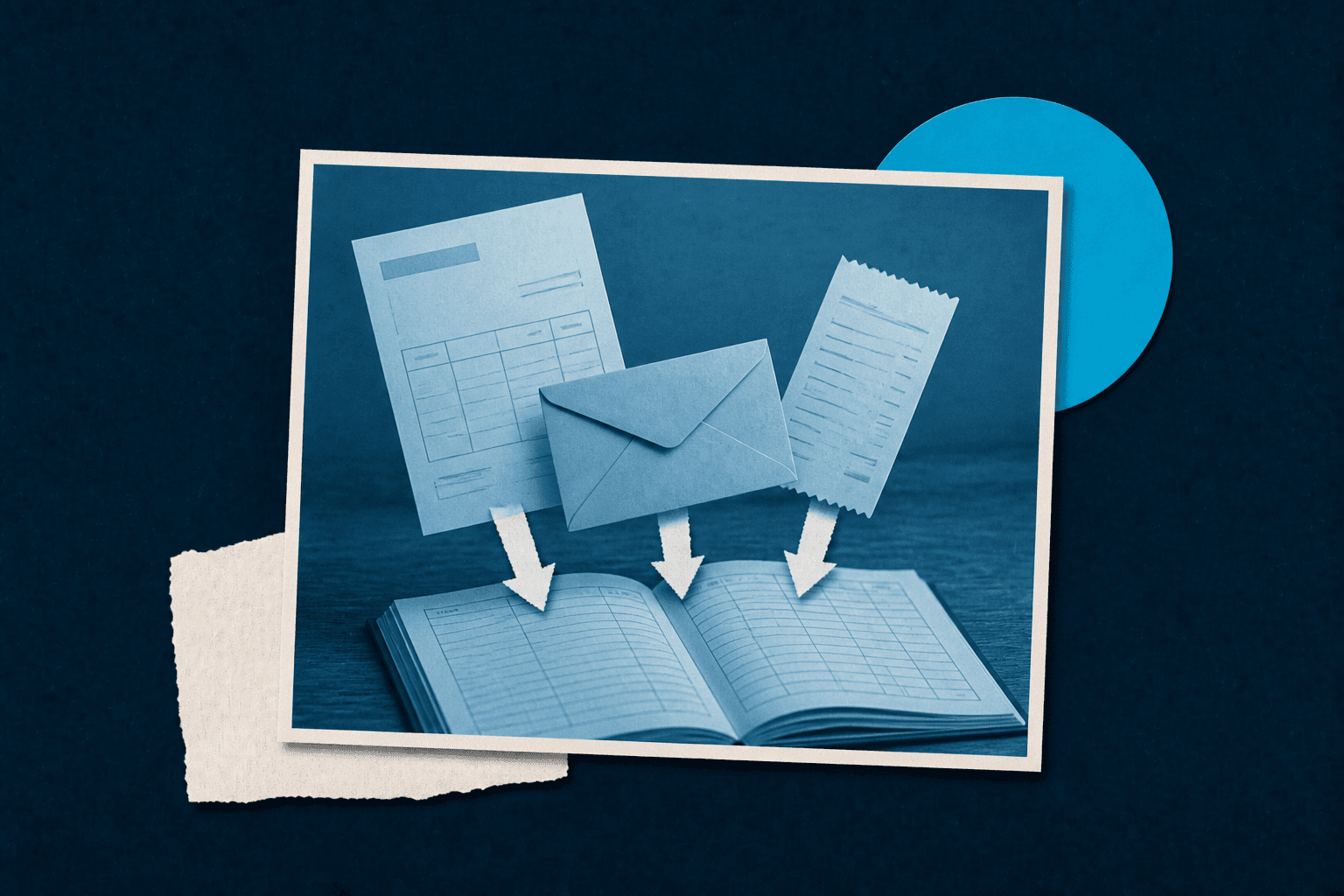
You run a commercial AV shop. On May 6 you finish installing a sound system at an event hall and leave an invoice for $2,875, Net 30. They promised to pay; they did not pay at the door. In QuickBooks Online or Xero, create the invoice dated May 6 so accounts receivable and sales both increase $2,875, and do not wait for the June check to record the sale.
Paid at pickup is not this
On August 19 a couple picks up a $540 wedding cake from your bakery and pays by card before they leave. You delivered the goods, but you received payment, not a promise. That is a cash sale, not a credit sale. Match the card deposit in the bank feed and do not also create an open invoice on accounts receivable.
Why it matters
A credit sale is when you deliver the goods or finish the work and take a promise instead of cash. That promise sits on accounts receivable, and you will post these every week if you invoice other businesses on terms. Record the sale when you deliver, not when the payment lands, or that month's revenue and the aging will both be wrong. Credit is only the ability to buy on a promise; a credit memorandum is a later credit you grant after the sale; a deferred-payment sale is an installment plan; and COD or cash sales are not this because money already changed hands.
Keep learning
Start with the bookkeeping basics, then compare software when you are ready to pick a tool.
 Getting startedBookkeeping basics for small-business ownersWhat bookkeeping is, the records you need, double-entry in plain English, and a monthly rhythm that fits a 1–50 person shop.Updated October 4, 2026
 RolesWhat does a bookkeeper do?A bookkeeper records bills, invoices, and bank activity so your books stay current. See the weekly work, the month-end close, and what they do not do.Updated August 18, 2026
 Monthly closeMonthly bookkeeping: what to close each monthMonth-end is the job: reconcile banks and cards, age bills and invoices, check payroll, then read the reports. A close checklist for small-business owners.Updated August 18, 2026
 Startup BankingThe 5 Best Banks for EU StartupsThe 5 best banks for EU startups, ranked: Wise Business, Revolut, Qonto, bunq, and Finom compared on fees, deposit protection, and honest tradeoffs.Updated August 9, 2026
Frequently asked questions
What is Credit Sale in bookkeeping?
The delivery of goods, or the performance of a service, accompanied by the receipt of a promise to pay.
When should I use Credit Sale?
Use Credit Sale when the transaction facts match its definition and you need the ledger and financial statements to reflect the correct account and period.
What is a common mistake with Credit Sale?
Credit Sale is used for credit sale entries, while C&F covers a related but distinct bookkeeping purpose. Review both terms before posting unusual transactions. A common mistake is applying it by label only instead of checking the underlying transaction details.