Dictionary / Installment Sale
What does Installment Sale mean in accounting?
Quick definition
GeneralA sale of real or personal property paid for in a series of equal amounts over a period of weeks or months. This term guides how bookkeepers record, classify, and explain related transactions in routine financial reporting.
Read more below
Examples
Twelve equal payments for a used shear
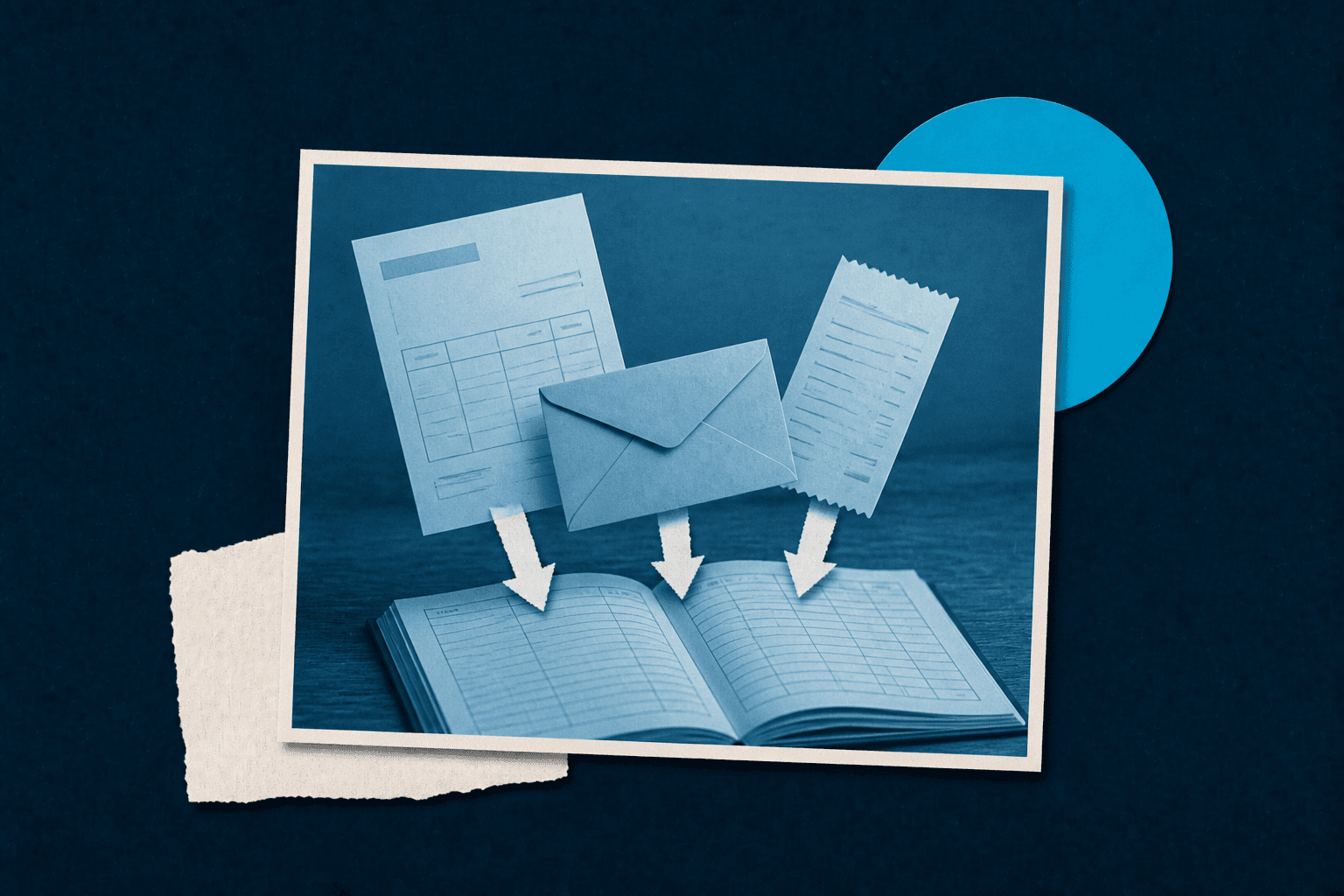
You run a used-machinery shop. On April 9 you sell a used hydraulic shear to a stamping shop for $18,000, payable in 12 equal payments of $1,500 due the 9th of each month starting April. They haul the shear that day. In QuickBooks Online or Xero, invoice the stamping shop $18,000 on April 9, or book a note receivable, and apply the first $1,500 when the deposit hits checking. Leave $16,500 on the receivable; do not wait until next March to record the sale.
One part payment is not the sale
On November 3, a glass shop sends $425 as the second of four part payments on a $1,700 storefront-repair invoice you booked in September. That $425 is an installment: one part payment on a debt. It is not an installment sale, because you sold a service, not real or personal property on an equal-payment plan. Apply the $425 to the open invoice in QuickBooks Online or Xero. Do not recast the September job as this term, and do not start deferring gross profit; that split is the installment method of accounting.
Why it matters
An installment sale is the deal: you sell real or personal property and the buyer pays in a series of equal amounts over weeks or months. You will not post this most months; it shows up when you finance a customer's purchase yourself instead of taking cash or one lump invoice. Mix it up with an installment and you treat any single part payment as if the whole sale were this term; mix it up with the installment method of accounting and you start spreading gross profit in the same step that should only record the sale and the remaining receivable. On the sale date, set up accounts receivable or a note for the unpaid series, then apply each later equal payment to that balance.
Further reading
Compare this term with reference material from other accounting and finance websites.

Keep learning
Start with the bookkeeping basics, then compare software when you are ready to pick a tool.
 Getting startedBookkeeping basics for small-business ownersWhat bookkeeping is, the records you need, double-entry in plain English, and a monthly rhythm that fits a 1–50 person shop.Updated October 4, 2026
 RolesWhat does a bookkeeper do?A bookkeeper records bills, invoices, and bank activity so your books stay current. See the weekly work, the month-end close, and what they do not do.Updated August 18, 2026
 Monthly closeMonthly bookkeeping: what to close each monthMonth-end is the job: reconcile banks and cards, age bills and invoices, check payroll, then read the reports. A close checklist for small-business owners.Updated August 18, 2026
 Startup BankingThe 5 Best Banks for EU StartupsThe 5 best banks for EU startups, ranked: Wise Business, Revolut, Qonto, bunq, and Finom compared on fees, deposit protection, and honest tradeoffs.Updated August 9, 2026
Frequently asked questions
What is Installment Sale in bookkeeping?
A sale of real or personal property paid for in a series of equal amounts over a period of weeks or months.
When should I use Installment Sale?
Use Installment Sale when the transaction facts match its definition and you need the ledger and financial statements to reflect the correct account and period.
What is a common mistake with Installment Sale?
Installment Sale is used for installment sale entries, while Imprest Cash Fund covers a related but distinct bookkeeping purpose. Review both terms before posting unusual transactions. A common mistake is applying it by label only instead of checking the underlying transaction details.