Dictionary / Reserve for Bad Debts
What does Reserve for Bad Debts mean in accounting?
Quick definition
GeneralAn account set up on the books to record amounts charged to earnings against which actual bad debt losses are to be charged. This term guides how bookkeepers record, classify, and explain related transactions in routine financial reporting.
Read more below
Examples
Set the reserve, then write the invoice off against it
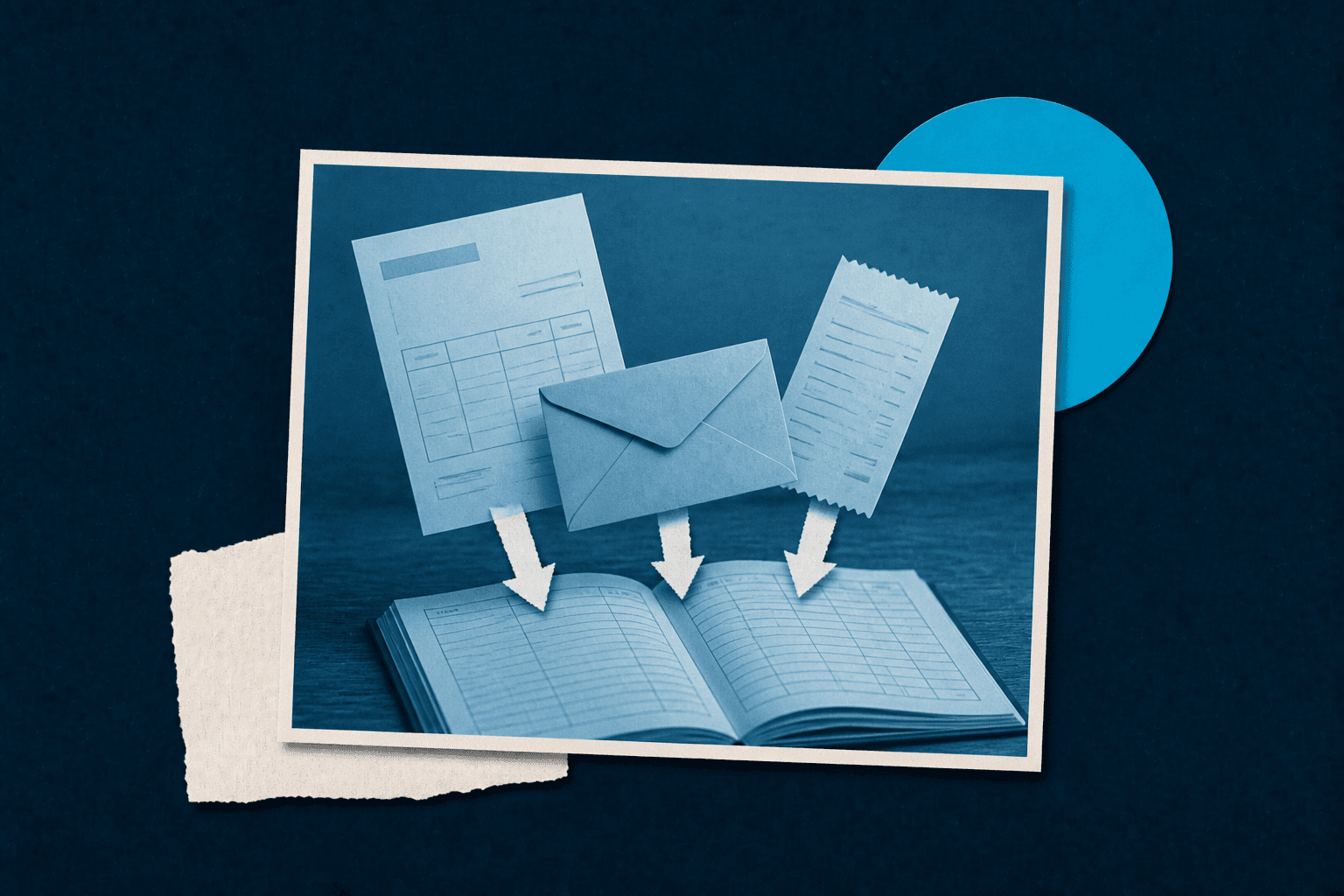
You run a floral supply shop. At the May 31 close, accounts receivable is $22,880, and you judge $1,355 of the 90-day bucket will not collect. You add the reserve account (QuickBooks Online and Xero call it Allowance for doubtful accounts), debit bad-debt expense $1,355, and credit that reserve $1,355; AR stays at $22,880 and the balance sheet nets the pair. In August, a banquet hall still owes $805 from an April centerpiece order and the hall closed. You apply a credit memo to that invoice coded to the allowance, so the write-off debits the reserve $805 instead of hitting expense again.
No reserve, so a death hits one month
You run a tent rental company and never set up a reserve. On March 22 you invoice a grange hall $4,620 for a spring festival; in October the treasurer dies, the hall shuts, and the invoice is still open. You issue a credit memo coded to bad debt expense $4,620 so accounts receivable and the aging drop, and October profit takes the whole hit. That is the direct method: you charged earnings only when that customer died, with no reserve standing by. If you keep open invoices you already doubt, add the reserve at the next close so the next write-off hits the reserve instead of one month's P&L.
Why it matters
This is the older name for the allowance against accounts receivable: a contra-account you charge to earnings, then charge later bad debt losses against. You will not post it most weeks; it shows up at year-end or whenever you review the aging and decide some open invoices will not collect, before you know which customer will fail. QuickBooks Online and Xero usually label the same account Allowance for doubtful accounts. Skip the reserve and receivables look fully collectible until a customer fails, then one month absorbs the whole write-off; expense the loss only when one invoice dies and you have used the direct method, and do not mix this with allowance in this dictionary (a purchase-spec tolerance) or a reserve for depreciation against equipment.
Keep learning
Start with the bookkeeping basics, then compare software when you are ready to pick a tool.
 Getting startedBookkeeping basics for small-business ownersWhat bookkeeping is, the records you need, double-entry in plain English, and a monthly rhythm that fits a 1–50 person shop.Updated October 4, 2026
 RolesWhat does a bookkeeper do?A bookkeeper records bills, invoices, and bank activity so your books stay current. See the weekly work, the month-end close, and what they do not do.Updated August 18, 2026
 Monthly closeMonthly bookkeeping: what to close each monthMonth-end is the job: reconcile banks and cards, age bills and invoices, check payroll, then read the reports. A close checklist for small-business owners.Updated August 18, 2026
 Expense ManagementThe 10 Best Expense Management Software for Small BusinessWe ranked the 10 best expense management tools for small business, scored on features, ease of use, and value, with honest tradeoffs for each.Updated August 8, 2026
Frequently asked questions
What is Reserve for Bad Debts in bookkeeping?
An account set up on the books to record amounts charged to earnings against which actual bad debt losses are to be charged.
When should I use Reserve for Bad Debts?
Use Reserve for Bad Debts when the transaction facts match its definition and you need the ledger and financial statements to reflect the correct account and period.
What is a common mistake with Reserve for Bad Debts?
Reserve for Bad Debts is used for reserve for bad debts entries, while Raw Materials covers a related but distinct bookkeeping purpose. Review both terms before posting unusual transactions. A common mistake is applying it by label only instead of checking the underlying transaction details.