Dictionary / Note Register
What does Note Register mean in accounting?
Quick definition
Accounts payable & receivableLedger containing a record of notes receivable and notes payable. This term guides how bookkeepers record, classify, and explain related transactions in routine financial reporting.
Read more below
Examples
Three notes on one spreadsheet
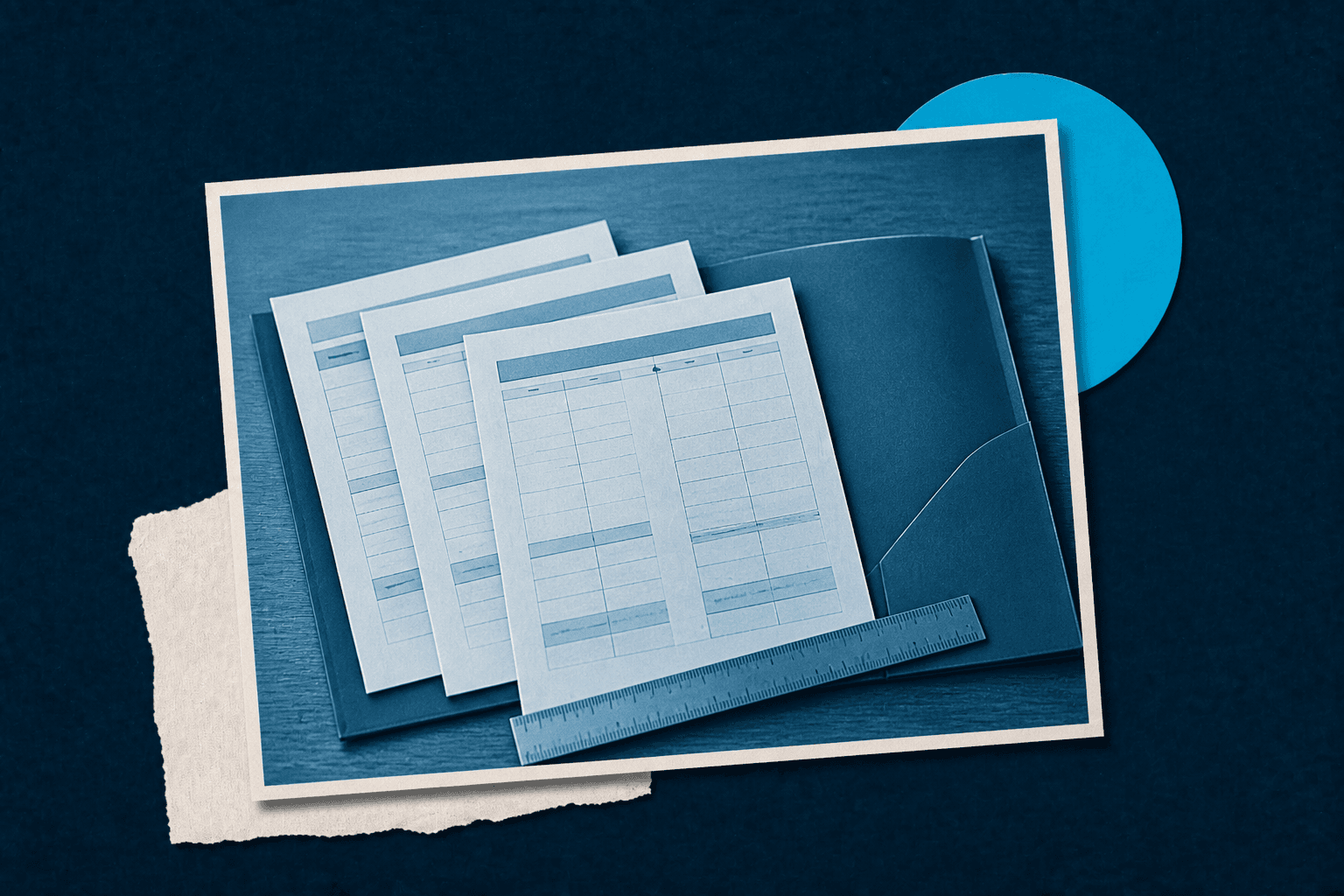
You run a roofing company. On January 20, a credit union converts a past-due invoice to a $12,400 promissory note due April 20. On February 3, a medical-office client signs a $4,800 note due March 15. On February 10 you sign a $7,500 note payable to an equipment supplier for a lift, due May 1. QuickBooks Online has no note-register report, so you keep a spreadsheet (or other current assets and other current liabilities detail) listing maker, face, due date, and remaining principal for each note. That list is the note register: the subsidiary ledger of notes receivable and notes payable, not the paper note and not the general ledger control totals.
The control total hides a due date
You run a print shop. At the August 31 close, notes receivable on the trial balance shows $9,650. You read that one controlling account and treat the balance as current. Buried in it is a $3,100 note from a kennel that was due August 18. The general ledger line cannot show that date. Open the note register before you close, or you miss the collection and leave a matured note sitting like ordinary accounts receivable.
Why it matters
A note register is the subsidiary ledger of promissory notes you hold and notes you owe, sitting behind the notes receivable and notes payable controlling account totals. You will not open one most months; it shows up only when a customer converts an invoice to a note or you sign a note with a vendor, and you update it when a note is issued, collected, or paid. QuickBooks Online has no notes-register report, so most shops keep a spreadsheet or other-current-assets detail with maker, face, remaining principal, and due date. Watch only the general ledger total and you can miss a due date, mix a note with ordinary accounts receivable or accounts payable, or treat the register as the note itself.
Keep learning
Start with the bookkeeping basics, then compare software when you are ready to pick a tool.
 Getting startedBookkeeping basics for small-business ownersWhat bookkeeping is, the records you need, double-entry in plain English, and a monthly rhythm that fits a 1–50 person shop.Updated October 4, 2026
 RolesWhat does a bookkeeper do?A bookkeeper records bills, invoices, and bank activity so your books stay current. See the weekly work, the month-end close, and what they do not do.Updated August 18, 2026
 Monthly closeMonthly bookkeeping: what to close each monthMonth-end is the job: reconcile banks and cards, age bills and invoices, check payroll, then read the reports. A close checklist for small-business owners.Updated August 18, 2026
 Travel and Expense ManagementThe 8 Best Travel and Expense Management Tools for BusinessWe ranked 8 travel and expense tools for business on cards, AI policy checks, and mobile receipt capture, with pricing and honest tradeoffs.Updated August 24, 2026
Frequently asked questions
What is Note Register in bookkeeping?
Ledger containing a record of notes receivable and notes payable.
When should I use Note Register?
Use Note Register when the transaction facts match its definition and you need the ledger and financial statements to reflect the correct account and period.
What is a common mistake with Note Register?
Note Register is used for note register entries, while Negotiability covers a related but distinct bookkeeping purpose. Review both terms before posting unusual transactions. A common mistake is applying it by label only instead of checking the underlying transaction details.